Fortra
Role: Senior UX Designer
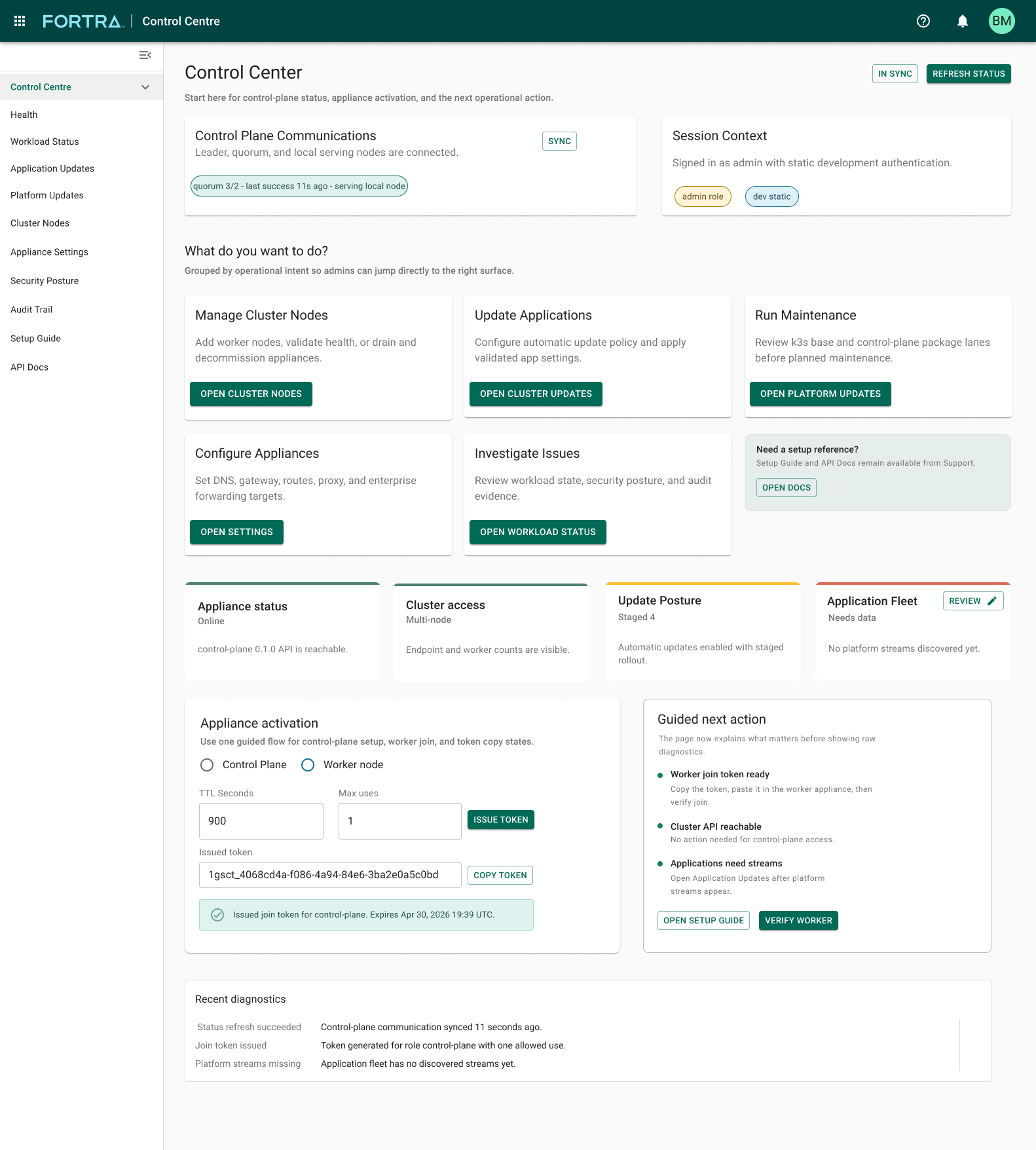
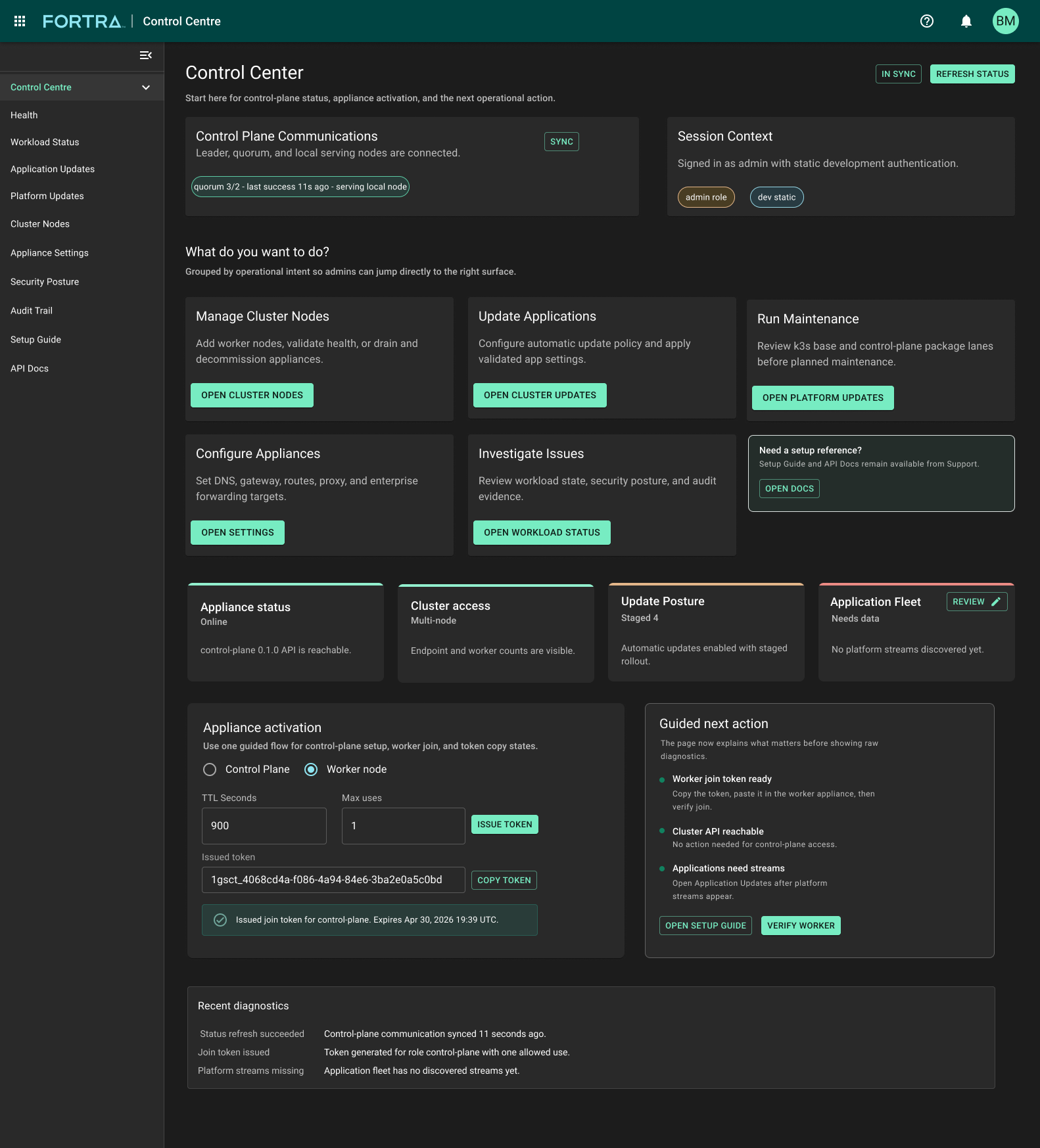
Early Drafts of Golden Shipping Crate Project (Not finalized). Light and Dark Mode.
Overview (Disclosure):
Unlike my previous work experience, my work at Fortra has been unique for the following reasons:
My work is not customer-facing; Forta is within the Cybersecurity sector, thus I am not at liberty to share visuals of my mock-ups on my portfolio. A few pages can be shared here, but many will have to be hidden for interviews
I work extensively in the space of Accessibility and Accessibility auditing, to ensure our products meet WCAG 2.2 Accessibility standards
I completed VPATs, as well as Remediation Reports for several of our products to ensure developers have direction on accessibility updates that were necessary.
Golden Shipping Crate Project:
Overview
Golden Shipping Crate (GSC) is a local management application that enables organizations to install, configure, update, and maintain Fortra software within their own environments. While customers ultimately use Fortra's security products to perform their day-to-day work, GSC serves as the operational hub that manages the software running behind the scenes.
GSC supports a variety of critical operational tasks, including:
Installing and configuring software packages
Managing software updates and versioning
Rolling back failed updates
Monitoring system health and status
Managing single-node and multi-node appliance configurations
Verifying licensing and package availability
Collecting diagnostic information for support teams
Troubleshooting deployment and maintenance issues
The Problem
Although GSC performs essential administrative functions, much of the product was designed around technical infrastructure concepts rather than user goals.
Administrators often need to understand complex system architecture in order to complete relatively straightforward tasks. Information was distributed across multiple areas of the application, making it difficult to determine how to use the app
My Role
As a Senior UX Designer, I contributed to the redesign and modernization of the Golden Shipping Crate experience.
My work focused on simplifying complex administrative workflows and creating an interface that aligned more closely with users' mental models, as well as adhering to our internal design system.
To support this shift, I collaborated closely with product managers, engineers, architects, and stakeholders to understand system requirements, technical constraints, and customer needs. This work informed the redesign of key workflows, navigation patterns, information architecture, and system status experiences.
Design Goals
The primary goals of the redesign were to:
Reduce cognitive load for administrators
Update designs to fit the Northstat Design system
Improve visibility into system health and software status
Create clearer pathways for installation and update workflows
Leveraging AI to Accelerate Design
A significant part of this project involved experimenting with AI-assisted design workflows to reduce production time and accelerate ideation.
Traditionally, the design process would begin with low-fidelity wireframes before progressing to higher-fidelity concepts and final designs. For this project, I explored how AI could help eliminate much of the manual effort required during the wireframing phase.
Used Codex to rapidly generate low-fidelity interface concepts based on project requirements and user flows.
Developed a workflow that enabled AI-generated concepts to be translated directly into Figma using components from our existing design system.
Trained and refined AI prompts to better understand our design patterns, component structure, and layout conventions.
Iterated on AI-generated concepts to quickly explore multiple solutions before moving into higher-fidelity design work.
Impact
Significantly reduced the time spent creating low-fidelity wireframes.
Accelerated stakeholder reviews by providing visual solutions earlier in the design process.
Reduced overall production time on the project by more than two weeks.
Allowed more time to focus on workflow optimization, information architecture, and user experience decisions rather than manual wireframe creation.
Experience: Accessibility
As part of Fortra's accessibility initiatives, I conducted accessibility audits for both web applications and Outlook add-ins using a combination of automated and manual testing methods. My process included evaluating experiences against WCAG requirements using LambdaTest Accessibility, Microsoft Accessibility Insights for Windows, keyboard-only navigation testing, screen reader testing with VoiceOver, and target size analysis.
Following each audit, I documented accessibility issues, assessed their impact on users, and produced remediation reports outlining recommended fixes for engineering teams. I worked closely with product and development partners to prioritize accessibility improvements and support the implementation of more inclusive, accessible user experiences across the platform.
The audits were done specifically for: Forta’s Brand Protection, Fortra’s Phishing Outlook and Plugin products.